Dr. Bhawna Gupta DDS, a top Invisalign Sapphire Provider, is passionate about delivering personalized, compassionate dental care. With expertise in Invisalign and Implants earned through a fellowship at Loma Linda University, she ensures top-notch treatment. As the founder of Sunnyvale Dental Care, Dr. Bhawna Gupta, DDS, is committed to providing high-quality dentistry with comfort and peace of mind.
Introduction
Years ago, hearing the words “dental implant surgery” often made people imagine weeks of discomfort, swelling, and a difficult healing journey. Today, the experience is remarkably different. Modern implant dentistry has evolved into a smoother, more precise, and far more comfortable process for many patients. With improved imaging technology, minimally invasive procedures, guided implant placement, and personalized aftercare, recovery is now faster and more manageable than most people expect.
Many patients are surprised to discover that they return to normal daily routines much sooner than anticipated. While every individual heals differently, advancements in dental care have significantly reduced recovery time for dental implants. Dr. Bhawna Gupta at Sunnyvale Dental Care often discusses this with patients during consultations.
Dental implants are designed to replace missing teeth with stability and long-term function. More importantly, modern techniques focus not only on successful implant placement but also on creating a healing experience that feels less stressful and more predictable.
This blog explores how today’s techniques are transforming the healing journey, what patients can realistically expect after treatment, and how thoughtful aftercare supports lasting results.
A New Era of Comfortable Implant Dentistry
Modern implant procedures are no longer approached with a one-size-fits-all method. Every smile has unique needs, and technology now allows dentists to create highly personalized treatment plans before the procedure even begins.
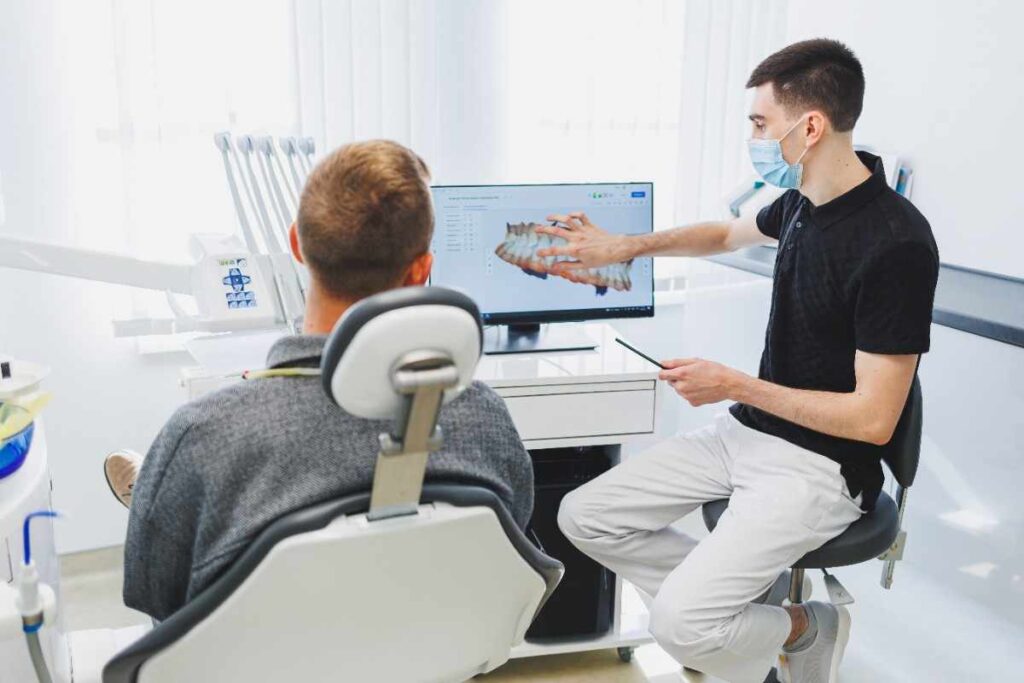
Digital imaging systems and 3D scans help map the jawbone with exceptional precision. This allows for more accurate implant placement, reducing unnecessary pressure on surrounding tissues. Smaller incisions, better planning, and careful positioning all contribute to shorter healing periods and less discomfort afterward.
Patients who once postponed treatment because of fear are often relieved to learn how efficient the process has become. Instead of focusing only on the surgery itself, modern implant care emphasizes the entire patient experience – from consultation to final restoration.
Healing Begins Before the Procedure
One of the most overlooked aspects of faster recovery is preparation. A smoother healing process often begins before the implant is even placed.
During the consultation stage, factors such as bone density, gum condition, oral hygiene habits, and overall dental health are carefully evaluated. This detailed planning helps reduce complications later.
Patients are also guided through proper preparation steps, including:
- Maintaining healthy oral hygiene habits
- Managing existing gum concerns
- Following nutritional recommendations
- Avoiding tobacco use before surgery
- Understanding medication instructions
Properly preparing the mouth creates a healthier environment for healing. This proactive approach greatly supports the healing process after dental implants. Dr. Bhawna Gupta at Sunnyvale Dental Care carefully explains to patients who want long-term success and comfort.
Precision Technology Is Changing Recovery Expectations
Technology has become one of the biggest reasons patients heal more quickly today.
Digital 3D Imaging
Traditional impressions and guesswork have largely been replaced with detailed digital scans. These scans allow dentists to examine bone structure, nerve pathways, and spacing before treatment begins.
Because implant placement becomes more precise, there is often:
- Less trauma to the surrounding tissue
- Reduced swelling afterward
- Improved comfort during recovery
- Better implant stability
Guided Implant Placement
Guided surgery uses computer-assisted planning to place implants in the ideal location. This modern approach minimizes unnecessary tissue disruption and creates a cleaner healing environment.
Many patients experience shorter procedures and less post-operative soreness because of this advanced planning.
Improved Implant Materials
Modern implant surfaces are designed to encourage faster integration with the jawbone. The implant and bone gradually bond together through a process called osseointegration.
This natural bonding process remains essential for long-term success. Still, advancements in implant design help support more predictable healing outcomes.
The First Few Days After Implant Placement
The first 48 to 72 hours are often the most important part of the healing journey. Fortunately, modern techniques have significantly improved patient comfort during this phase.
Most people experience:
- Mild swelling
- Minor soreness
- Slight tenderness around the implant area
- Temporary sensitivity
For many patients, discomfort is manageable with recommended medications and proper care instructions.
The focus during this time is simple:
- Rest
- Stay hydrated
- Follow cleaning instructions carefully
- Avoid placing pressure on the treatment area
Thoughtful post-surgery care, dental implants, and Dr. Bhawna Gupta at Sunnyvale Dental Care recommend can make a noticeable difference in both comfort and healing speed.
Small Daily Habits Make a Big Difference
Healing after implants is not only about what happens in the dental chair. Recovery also depends on daily routines followed at home.
Patients who heal comfortably often focus on consistency rather than perfection.
Helpful habits include:
- Keeping the mouth clean without aggressive brushing
- Drinking plenty of water
- Eating softer foods during early recovery
- Sleeping with the head slightly elevated
- Avoiding smoking or tobacco products
- Following medication schedules carefully
Even simple actions can help reduce inflammation and support tissue repair.
Nutrition Plays a Quiet but Powerful Role
Many people underestimate how strongly nutrition affects healing.
After implant placement, the body begins repairing tissue and strengthening the connection between bone and implant. Nutrient-rich foods naturally support this process.
Soft foods that are commonly recommended include:
- Yogurt
- Smooth soups
- Mashed vegetables
- Eggs
- Oatmeal
- Protein smoothies
- Soft fruits
Protein, vitamins, and hydration all contribute to tissue repair. Patients who maintain a balanced diet often notice improved energy levels and smoother recovery.
Understanding the Healing Timeline
Healing does not happen overnight, but many patients are pleasantly surprised by how manageable the process feels.
- Immediate Recovery
The first few days typically involve minor swelling and tenderness. Most people resume regular daily activities relatively quickly.
- Early Healing Phase
Over the next several weeks, gum tissues gradually stabilize around the implant site. Discomfort continues to decrease during this stage.
- Bone Integration Phase
The jawbone slowly bonds with the implant beneath the surface. This process can take several months, depending on the patient’s healing response and overall oral health.
While healing timelines vary, modern treatment planning has improved the overall recovery time for dental implants. Dr. Bhawna Gupta at Sunnyvale Dental Care discusses efficient tooth replacement options with patients.
Why Pain Management Has Improved So Much
One of the biggest concerns patients have involves discomfort after implant surgery. Fortunately, modern dentistry emphasizes patient comfort throughout the process.
Careful planning, minimally invasive techniques, and modern numbing methods all contribute to a better experience.
Effective pain management for dental implants, Dr. Bhawna Gupta emphasizes, usually includes.
- Personalized medication recommendations
- Cold compress guidance
- Gentle recovery instructions
- Monitoring healing progress carefully
- Addressing concerns early before discomfort worsens
Many patients describe the recovery as easier than they originally expected.
Faster Recovery Does Not Mean Rushing Healing
While technology has improved comfort and reduced downtime, healing still requires patience.
One common misunderstanding is that feeling better quickly means the implant is fully healed. In reality, internal healing continues even after soreness fades.
This is why follow-up visits remain important. Monitoring allows the dental team to ensure the implant integrates properly with the jawbone and surrounding tissues.
A successful implant is not simply about speed. It is about stability, comfort, and long-term health.
The Emotional Side of Smile Recovery
Dental implants do more than restore missing teeth. They often restore confidence, comfort during conversations, and the ability to enjoy meals without hesitation.
Many patients feel emotional relief once healing progresses and daily discomfort from missing teeth disappears.
Simple moments – smiling in photos, eating favorite foods comfortably, speaking clearly during meetings – can feel exciting again.
The journey is not only physical. For many individuals, it is deeply personal.
Modern Care Is More Personalized Than Ever
One reason recovery has improved is that treatment is now tailored to the individual rather than following a generic approach.
Some patients may require:
- Bone grafting
- Additional healing time
- Customized restorations
- More frequent monitoring
Others may qualify for faster treatment timelines depending on bone quality and oral health.
Personalized care enables dentists to create safer, more comfortable experiences for patients with diverse needs and goals.
The healing process after dental implants, as Dr. Bhawna Gupta explains, is achieved through individualized planning, which often helps patients feel more confident throughout treatment.
Common Mistakes That Can Slow Recovery
Even with advanced technology, certain habits may interfere with healing.
Patients should avoid:
- Smoking during recovery
- Skipping oral hygiene routines
- Eating hard foods too early
- Ignoring follow-up appointments
- Touching the implant area excessively
- Failing to follow care instructions
Healing is a partnership between the patient and the dental team. Consistency matters.
How Follow-Up Care Protects Long-Term Results
The procedure itself is only one part of implant success. Follow-up care helps protect the investment patients make in their smile.
Routine check-ups allow the dental team to:
- Monitor gum health
- Check implant stability
- Identify irritation early
- Ensure healthy bite alignment
- Support long-term oral wellness
Proper maintenance also reduces the risk of future complications.
Patients who stay committed to ongoing care often enjoy stable, functional results for many years.
Key Takeaways
- Modern implant techniques have significantly improved comfort and healing experiences.
- Advanced imaging and guided procedures help reduce tissue disruption during surgery.
- Healthy habits and proper aftercare strongly influence the success of healing.
- Personalized treatment planning supports smoother recovery timelines.
- Following professional instructions carefully helps improve long-term implant stability.
- Thoughtful post-surgery care and dental implants, as Dr. Bhawna Gupta recommends, can support a more comfortable recovery process.
- Modern approaches to pain management for dental implants, Dr. Bhawna Gupta, with patients, help reduce anxiety and improve overall treatment experiences.
FAQ’s
1. How long does recovery after dental implants usually take?
Initial healing may take a few days to a couple of weeks, while complete bone integration can take several months. The overall recovery time for dental implants, as discussed with patients by Dr. Bhawna Gupta, depends on individual healing factors and treatment complexity.
2. Is dental implant recovery painful?
Most patients experience mild soreness rather than severe pain. Modern techniques and proper pain management for dental implants, Dr. Bhawna Gupta recommends, help improve comfort during recovery.
3. What foods should I eat after dental implant surgery?
Soft, nutritious foods are generally recommended during early healing. Staying hydrated and avoiding hard or crunchy foods can help protect the implant area while tissues recover.
4. Why are follow-up appointments important after implant treatment?
Follow-up visits allow the dental team to monitor healing progress, check implant stability, and address concerns before complications develop.
5. How can I support faster healing after dental implants?
Dr. Bhawna Gupta recommends following oral hygiene instructions, avoiding smoking, eating balanced meals, getting adequate rest, and practicing consistent post-surgery care to support smoother healing.
Conclusion
Dental implant recovery has changed dramatically in recent years. What once felt intimidating is now often a smoother, more comfortable experience supported by advanced technology and patient-focused care.
Today’s techniques aim to reduce discomfort, improve precision, and support faster healing while protecting long-term results. From digital planning to personalized recovery guidance, every step is designed to help patients feel more comfortable and confident throughout the process.
If you are considering dental implants, understanding the healing journey can help you feel more prepared and informed. The right approach combines careful planning, consistent aftercare, and professional guidance tailored to your needs.
With modern treatment methods and supportive care, many patients discover that rebuilding their smile feels far less overwhelming than they imagined.
For directions, use this helpful Google Map or get step-by-step navigation through Get Directions.
Remember: Healing after dental implants is a gradual process, not an instant transformation. Staying patient, maintaining healthy daily habits, and following professional care instructions carefully can make a meaningful difference in comfort, healing quality, and long-term implant success.
Disclaimer: This blog is intended for informational purposes only and should not replace professional dental advice, diagnosis, or treatment. Always consult a qualified dental professional regarding concerns about dental implants, recovery expectations, or oral health conditions.