Dr. Bhawna Gupta DDS, a top Invisalign Sapphire Provider, is passionate about delivering personalized, compassionate dental care. With expertise in Invisalign and Implants earned through a fellowship at Loma Linda University, she ensures top-notch treatment. As the founder of Sunnyvale Dental Care, Dr. Bhawna Gupta, DDS, is committed to providing high-quality dentistry with comfort and peace of mind.
Introduction
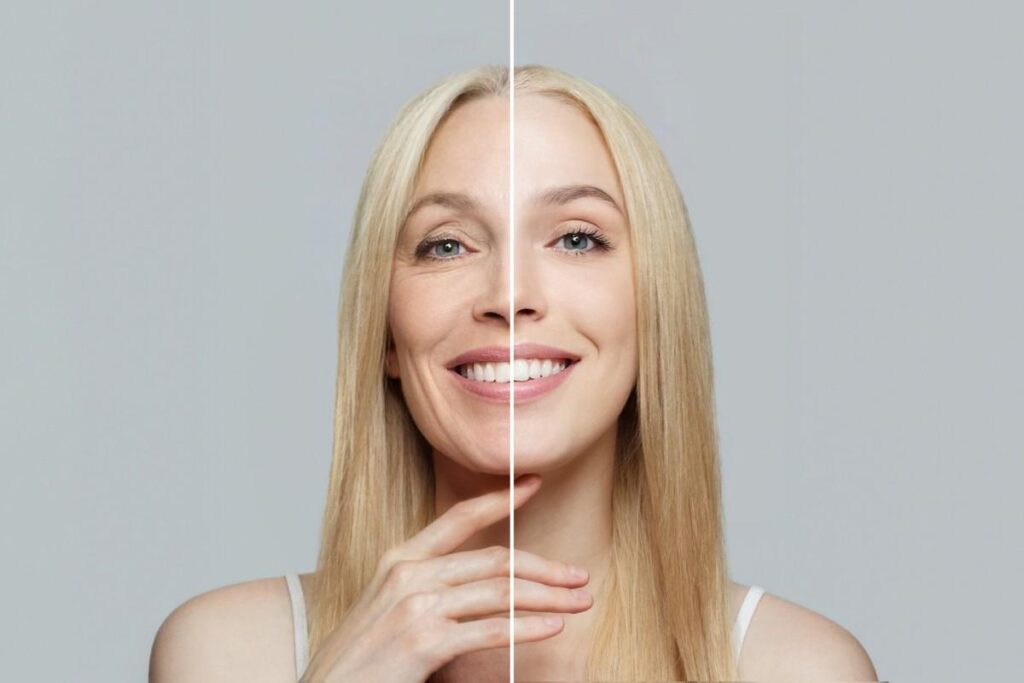
Most people think tooth loss only affects their smile. What many do not realize is that missing teeth can slowly change the entire shape of the face. The cheeks may begin to look hollow, the jawline can lose definition, and the lips may appear thinner over time. These subtle changes often create an older appearance much earlier than expected.
Your teeth do much more than help you chew food. They support the facial structure, maintain jawbone strength, and help preserve the natural balance of your face. When a tooth is missing for a long time, the jawbone underneath may begin to shrink. This process can gradually affect facial appearance and confidence.
Modern implant care offers a reliable way to support long-term oral health while helping maintain facial structure. With proper planning and guidance, patients can protect their smiles and facial support simultaneously. At Sunnyvale Dental Care, Dr. Bhawna Gupta works closely with patients to help restore missing teeth while focusing on long-term facial support and jaw health.
Dr. Bhawna Gupta on facial support after tooth loss
When Tooth Loss Begins to Change the Face
A missing tooth may not seem like a major issue at first, especially if it is located toward the back of the mouth. However, the body reacts quickly after tooth loss. The jawbone in that area no longer receives regular stimulation from chewing forces, which can lead to gradual bone loss.
As the bone shrinks, nearby facial tissues may also lose support. Over time, this can contribute to:
- Sunken cheeks
- Wrinkles around the mouth
- A collapsed facial appearance
- Reduced lip support
- Changes in jawline definition
- Sagging around the lower face
Many people associate these changes with normal aging, but tooth loss can accelerate the process significantly.
This is why replacing missing teeth early is important. Implant care does more than restore a smile. It also helps preserve the foundation that naturally supports the face.
The Connection Between Jawbone Health and Facial Structure
The jawbone works like the framework of a house. Healthy bones support the teeth, gums, cheeks, and overall facial shape. When teeth are lost, the body may begin reabsorbing bone in the empty areas.
Unlike traditional removable options, dental implants are placed directly into the jawbone. This helps stimulate the bone during daily activities like chewing and speaking. Maintaining bone activity is important because it helps preserve facial structure over time.
Many patients are surprised to learn how closely oral health and facial appearance are connected. Even small changes in bone density can affect the way the face looks years later.
This is why discussions about missing teeth should never focus only on appearance. Proper tooth replacement can help support both function and long-term facial balance.
Why Facial Support Matters More Than People Realize
Facial support affects more than appearance alone. It also influences comfort, speech, bite stability, and confidence. Patients who experience tooth loss sometimes notice that their faces begin to look tired or older, even when they feel healthy overall.
In many cases, restoring proper support can naturally improve facial harmony. Patients often feel more comfortable smiling, speaking, and socializing once missing teeth are replaced properly.
Dr. Bhawna Gupta, in discussing facial support after tooth loss, often emphasizes the importance of early treatment planning. Addressing tooth loss sooner may help reduce long-term bone changes and support a healthier facial structure over time.
Every patient experiences tooth loss differently. Some may lose bone more quickly than others, which is why professional evaluation is important.
How Dental Implants Help Preserve a Natural Appearance
Dental implants are designed to function similarly to natural tooth roots. Because they integrate with the jawbone, they help create stability that supports surrounding structures.
Patients often choose implants because they:
- Help maintain jawbone density
- Support natural chewing function
- Improve smile balance
- Provide long-term stability
- Help maintain facial proportions
- Reduce shifting of nearby teeth
Unlike solutions that sit only above the gums, implants work beneath the surface where bone preservation matters most.
Maintaining jawline shape with Dr. Bhawna Gupta’s implant guidance involves evaluating each patient’s oral condition carefully and creating treatment plans based on long-term health goals rather than temporary fixes.
The Emotional Side of Facial Changes After Tooth Loss
Tooth loss can affect confidence in ways many people do not openly discuss. Some individuals avoid smiling in photographs. Others may feel uncomfortable speaking in social settings or professional environments.
Facial changes related to missing teeth can also affect emotional well-being. Patients sometimes report feeling older than they actually are because of the changes they notice in the mirror.
Restoring missing teeth may help patients feel more confident in daily life. Improved support around the mouth and jaw can contribute to a healthier and more refreshed appearance.
This emotional impact is one reason why modern implant care focuses not only on replacing teeth but also on supporting overall quality of life.
Small Daily Habits That Protect Facial Structure
Preventing early facial aging involves more than replacing missing teeth. Daily oral care habits also play a major role in protecting long-term oral health.
Healthy habits include:
- Brushing thoroughly twice daily
- Flossing consistently
- Attending regular dental visits
- Addressing gum disease early
- Avoiding tobacco products
- Wearing aligners consistently except during oral hygiene routines when prescribed
- Following professional care recommendations
Many patients do not realize that untreated gum disease can also contribute to bone loss. Protecting the gums helps protect the structures underneath.
Dr. Bhawna Gupta’s tips for preventing early facial aging often include maintaining excellent oral hygiene and seeking treatment before small dental problems become more advanced.
Why Timing Matters After Tooth Loss
One of the biggest mistakes patients make is waiting too long to replace missing teeth. Bone loss can continue over time, which may eventually complicate treatment.
In some situations, additional procedures may become necessary if bone loss becomes severe. Early evaluation can help identify the best options before major structural changes occur.
This does not mean patients should panic after tooth loss. However, it does highlight the importance of professional guidance and long-term planning.
Facial structure care after tooth loss by Dr. Bhawna Gupta focuses on preserving healthy bone and supporting comfortable function before more extensive changes develop.
Modern Technology and Personalized Implant Planning
Dental technology has improved significantly over the years. Modern digital imaging allows dentists to evaluate bone structure more accurately and create detailed treatment plans tailored to each patient.
Advanced planning may help improve:
- Implant positioning
- Bite balance
- Long-term stability
- Smile symmetry
- Comfort during treatment
- Overall treatment predictability
Every patient has different oral health needs, facial structure, and bone density. Personalized treatment planning helps create better long-term outcomes.
Patients also appreciate having a clearer understanding of their treatment process from beginning to end.
Supporting Long-Term Jawline Definition
The jawline naturally changes with age, but tooth loss can speed up those changes. Bone shrinkage in the lower face may gradually reduce facial definition and contribute to sagging around the mouth and chin area.
Protecting jawbone health is an important part of maintaining a balanced facial appearance. Dental implants help provide the stimulation that supports healthier bone maintenance over time.
Many patients notice that restoring missing teeth improves overall facial balance in subtle but meaningful ways. The goal is not to create an artificial appearance. Instead, treatment focuses on supporting the structures that naturally keep the face looking healthy and supported.
Confidence Begins with Oral Health
A healthy smile affects everyday life in many ways. People often feel more confident when they can eat comfortably, speak clearly, and smile without hesitation.
Tooth loss can disrupt those experiences, but proper care may help patients gradually regain comfort and confidence. Implant care is not only about replacing teeth. It is about restoring stability, function, and support for long-term oral health.
Patients who prioritize oral health early may reduce the risk of future complications while protecting the natural structure of their face.
At Sunnyvale Dental Care, patients receive guidance focused on long-term wellness, healthy smiles, and maintaining facial support as part of complete dental care planning.
Key Takeaways
- Missing teeth can contribute to premature facial aging over time.
- Jawbone loss may affect cheek support, lip shape, and jawline definition.
- Dental implants help stimulate the jawbone and support facial structure.
- Early treatment may help reduce long-term bone changes.
- Healthy oral hygiene habits play an important role in protecting facial support.
- Personalized implant planning helps improve long-term stability and comfort.
- Professional guidance can help patients maintain confidence and oral health after tooth loss.
FAQs
1. Can tooth loss really make a person look older?
Yes. Missing teeth may lead to jawbone shrinkage over time, which can reduce facial support and contribute to an older appearance around the cheeks, lips, and jawline.
2. How do dental implants help maintain facial structure?
Dental implants are placed into the jawbone, where they help stimulate bone activity during chewing. This may help support healthier bone maintenance and facial balance.
3. Is it better to replace missing teeth early?
Early treatment is often beneficial because bone loss can continue after tooth loss. Replacing teeth sooner may help preserve more natural bone structure.
4. Are facial changes from tooth loss permanent?
Some facial changes related to bone loss may improve after treatment, but the outcome depends on the amount of bone remaining and the patient’s overall oral health condition.
5. How can I protect my jawbone after losing a tooth?
Maintaining regular dental visits, practicing good oral hygiene, and discussing replacement options early with a dental professional may help protect jawbone health.
Conclusion
Tooth loss affects much more than the smile alone. Over time, it can influence jawbone health, facial support, confidence, and overall appearance. Many people are surprised to learn how closely oral health and facial structure are connected.
Modern implant care offers patients an opportunity to restore missing teeth while also supporting long-term facial balance and jaw health. With proper planning, consistent oral care, and professional guidance, patients can protect both their smiles and facial structure for years to come.
At Sunnyvale Dental Care, Dr. Bhawna Gupta works closely with patients to create personalized treatment plans focused on healthy function, stable smiles, and long-term facial support.
Remember: Protecting your smile early may help preserve your natural facial structure for years to come. Consistent dental care and timely treatment planning can make a meaningful difference in long-term oral health and confidence.
Disclaimer: This blog is intended for educational purposes only and should not replace professional dental advice, diagnosis, or treatment. Please consult a qualified dental professional for personalized recommendations based on your oral health needs.