


| Key takeaways 1. Wear your aligners around 20 to 22 hours each day for the smoothest, most predictable results. 2. Follow the 30-minute rule to protect your aligners and keep your smile healthy. 3. The first week feels strange, but speech and pressure usually settle quickly. 4. Not every smile fits Invisalign, so a proper evaluation matters. 5. Retainers are a lifelong habit that protect the results you worked for. |
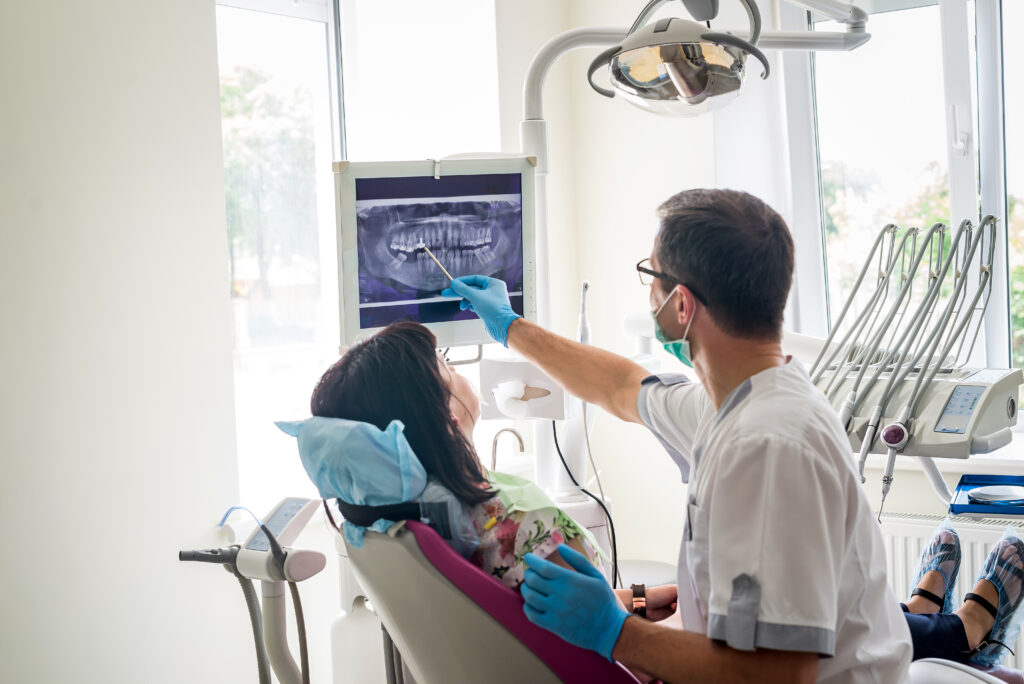
Picture your smile as a story that unfolds one clear tray at a time. Invisalign is the quiet narrator, nudging your teeth toward a happier ending without shouting about it. Before you turn the first page, there are a few plot twists worth knowing. Here are the seven that matter most, straight from the chair of Dr. Bhawna Gupta DDS at Sunnyvale Dental Care.
The 7 Essentials Before You Begin
In short: your success depends on daily wear time, the 30-minute rule, patience during the first week, confirming you are a candidate, understanding attachments and refinements, raising your hygiene game, and committing to retainers for life. Master these and the rest tends to fall into place.
Your quick checklist
- Wear your aligners nearly all day.
- Follow the 30-minute rule after food and drinks.
- Expect a short adjustment phase early on.
- Get a proper evaluation to confirm your fit.
- Keep your teeth and trays spotless.
Who this guide is for
This is for anyone in Sunnyvale weighing their first set of clear trays and wondering what daily life will truly feel like. If you want honest answers before you commit, you are in the right place. You can also peek at how comfortable Invisalign is before you start.
1. Wear Time Writes Your Results
The single biggest factor in your outcome is how long you wear your trays each day, ideally around 20 to 22 hours. Think of your aligners as a gentle coach. They only improve your form when they are actually on the field with you.
Why showing up matters most
Teeth move through steady, consistent pressure. Leave your trays sitting on the counter and that pressure disappears, which means your teeth drift back toward where they started. Research reviewing what makes aligner treatment succeed points to consistent wear as a leading driver of predictable movement, as noted in a review on aligner predictability.
How wear time shapes the plan
Your trays are mapped out in a precise sequence. Skip hours and the current tray may not finish its job, so the next one no longer fits well. That snowballs into delays and unexpected detours. The good news is that making it a habit is easier than it sounds, and you can learn tricks for making Invisalign part of your daily routine.
| A word from Dr. Bhawna Gupta at Sunnyvale Dental Care “The patients who love their results are rarely the ones with the trickiest cases. They are the ones who simply kept their trays in. Consistency quietly beats everything else.” |
2. The 30-Minute Rule Is Your New Best Friend
The 30-minute rule means that after enjoying food or a drink, you give yourself about half an hour for cleaning before your trays go back to work. It is a small pause that protects both your teeth and your trays.
What the rule really means
Use that short window to rinse, brush gently, and settle your mouth before the aligners return. This keeps trapped sugars and acids from sitting against your teeth under plastic, which is a recipe for trouble. For everyday scenarios, this friendly Invisalign eating and drinking guide walks you through the details.
Protecting your trays and teeth
Warm drinks and deeply colored foods can also stain or warp clear plastic over time. A quick rinse keeps your trays looking invisible rather than cloudy. Treat the 30-minute rule as a rhythm rather than a chore and it becomes second nature within days.
3. The First Week Is an Adjustment
Your opening week may feel odd, with a slight lisp and a snug, pressured sensation on your teeth. This is completely normal and almost always temporary.
What to expect
New trays hug your teeth firmly, so a feeling of tightness means they are doing their job. Your tongue may need a day or two to relearn certain sounds. Most people find that friends barely notice any change in their speech by the end of the week.
Tips to breeze through it
1. Start at night
Put a fresh tray in before bed so your mouth adjusts while you sleep.
2. Stay hydrated
Sipping water keeps your mouth comfortable and helps you adjust faster.
3. Practice out loud
Reading aloud for a few minutes trains your tongue around the trays.
4. Be patient
Any pressure usually eases within a few days as your teeth respond.
4. Not Every Smile Is a Match
Invisalign handles a wide range of smiles beautifully, but it is not the right tool for every case. A proper evaluation tells you whether clear trays suit your goals or whether another path makes more sense.
Cases it handles well
Clear trays shine with crowding, spacing, and many bite concerns. If your upper teeth feel cramped, you might enjoy reading about Invisalign for upper crowding. Reviews of clear aligner performance show reliable results for common alignment goals, as summarized in a review of aligner effectiveness.
When another option fits better
Very complex bite issues, severe rotations, or certain jaw concerns sometimes respond better to traditional braces. Untreated gum disease or active cavities usually need attention first. The honest answer only comes from a hands-on look at your teeth, which is exactly what your first visit provides.
5. Attachments and Refinements Are Normal
Many plans include small tooth-colored attachments and a round of refinements, and both are signs that your treatment is being fine-tuned rather than going off track.
Why attachments help
Attachments are tiny bumps bonded to a few teeth that give your trays something to grip. They act like little handles, helping guide trickier movements that smooth plastic alone cannot manage. They are subtle and blend with your teeth, so most people forget they are there.
What refinements are
Refinements are an extra set of trays near the end that polish the final details. Teeth are living structures, so a few may need a gentle second nudge to land perfectly. Far from a setback, refinements are how your smile reaches its best version.
6. Clean Teeth Become Non-Negotiable
With trays hugging your teeth most of the day, keeping everything clean matters more than ever. Good habits here protect both your smile and your results.
Cleaning trays and teeth
Brush and rinse your trays gently, and keep your teeth brushed and flossed before the aligners go back in. Clear trays can seal in whatever is on your teeth, so a tidy mouth keeps everything fresh and healthy.
| Use these 1. A soft toothbrush for teeth and trays 2. Lukewarm water for rinsing aligners 3. Floss once a day 4. A clean case to store trays during cleaning | Avoid these 1. Hot water that can warp plastic 2. Colored or heavily scented soaps 3. Abrasive scrubbing that scratches trays 4. Skipping flossing when you are busy |
Keeping cavities away
Trapped debris under trays raises the risk of cavities and gum irritation. Staying ahead of it keeps your treatment on schedule. You can also explore 3 dental treatments that help prevent cavities for extra protection.
7. Retainers Are Forever
Reaching your final tray is a milestone, not the finish line. Retainers protect your new smile for the long haul, and skipping them invites your teeth to wander back.
Why relapse happens
Teeth have a memory and naturally try to return toward their old positions, especially in the first months. A retainer holds them steady while the surrounding tissues settle. Studies on long-term stability underline how retention keeps results in place, as discussed in a review on aligner stability.
Long-term expectations
Expect to wear retainers nightly over time. It is a small nightly habit that safeguards the confidence your new smile brings, and you can read how Invisalign quietly builds confidence in everyday life.
Starting Your Invisalign Journey in Sunnyvale
Getting started is simple: book a consultation, get a clear evaluation, and walk out knowing your options. Dr. Bhawna Gupta DDS and the team at Sunnyvale Dental Care make the first step easy and pressure-free.
Your consultation
During your visit, your teeth and bite are reviewed to confirm whether clear trays suit your goals. You will see a preview of the plan and get honest answers to your questions. Call (408) 720-0900 to schedule.
What to bring and ask
- A list of your smile goals and any concerns
- Questions about timeline and daily wear
- Notes on past dental work
- Your calendar for planning check-ins
Meet Dr. Bhawna Gupta DDS, a top Invisalign Sapphire Provider
Dr. Bhawna Gupta, DDS, is a dedicated dental professional committed to providing personalized, high-quality care in a welcoming and comfortable environment. As the only general dentist (GP) Invisalign Sapphire Provider in the Bay Area, she brings advanced experience in clear aligner therapy and is passionate about helping patients achieve healthier, more confident smiles through carefully planned treatment.
With a strong focus on patient-centered dentistry, Dr. Gupta takes the time to understand each patient’s individual needs, concerns, and long-term oral health goals. Her approach emphasizes clear communication, thoughtful treatment planning, and compassionate care, helping patients feel informed and comfortable throughout every stage of their dental experience.
Dr. Gupta has a particular interest in Invisalign treatment and implant dentistry and continually expands her clinical knowledge by staying current with advancements in dental technology, techniques, and evidence-based care. Her commitment to continuing education allows her to provide modern treatment options designed to improve both oral health and overall patient experience.
She further advanced her training by completing a Fellowship in Implantology at Loma Linda University, strengthening her expertise in implant-based restorative care. After gaining valuable leadership and clinical experience as a Managing Dentist, Dr. Gupta founded Sunnyvale Dental Care to create a practice centered on quality, comfort, trust, and individualized attention.
Today, Dr. Gupta continues to lead Sunnyvale Dental Care with a commitment to clinical excellence and compassionate dentistry. Her goal is to build lasting relationships with patients while providing comprehensive preventive, restorative, cosmetic, Invisalign, and implant care tailored to each individual.
Frequently asked questions
| Q: What I wish I knew before getting Invisalign? Most people wish they knew how much wear time matters. The trays only work when they are in, so keeping them in nearly all day is the real secret. The first week feels strange, attachments and refinements are normal, and retainers are a lifelong habit afterward. |
| Q: What is the 30 minute rule for Invisalign? The 30-minute rule means giving yourself about half an hour after food or drinks to rinse, brush gently, and clean your mouth before your trays go back in. This protects your teeth from trapped sugars and keeps your clear trays from staining or warping. |
| Q: What disqualifies you from Invisalign? Very complex bite problems, severe tooth rotations, and certain jaw concerns may respond better to traditional braces. Active cavities or untreated gum disease usually need to be handled first. Only a hands-on evaluation with your dentist can confirm that. |
| Q: How do I survive the first week of Invisalign? Start new trays at night so you adjust while you sleep, stay hydrated, and read aloud for a few minutes to ease any lisp. The snug, pressured feeling is normal and usually settles within a few days as your teeth respond to the trays. |
For directions, use this helpful Google Maps link or get step-by-step navigation via Get Directions.
Remember: Wear your trays all the time except during oral hygiene, and follow the 30-minute rule for the best results.
Disclaimer: This article is for general information only and does not replace personalized advice from your dentist.