


| Quick answer When your child refuses to brush before bed, stay calm, offer small choices, and make it playful with a song or timer. Brush together for two minutes using the right amount of fluoride toothpaste for their age, and keep the routine the same every night so it becomes automatic. |
| 2 minutes Ideal brushing time, twice a day | Rice grain Toothpaste for kids under 3 | Pea size Toothpaste for ages 3 to 6 | By age 1 Recommended first dental visit |
| Key takeaways 1. Bedtime brushing matters most because saliva flow drops overnight, giving plaque the perfect window to attack. 2. Resistance is usually about tiredness, control, or texture, not defiance, so respond with choices instead of pressure. 3. Games, songs, two-minute timers, and brushing side by side turn a nightly fight into a habit kids own. 4. Use a rice-grain of fluoride toothpaste for under threes and a pea-sized amount from three to six years. 5. See a Sunnyvale dentist if you spot white or brown spots, if brushing causes pain, or if meltdowns never ease. |
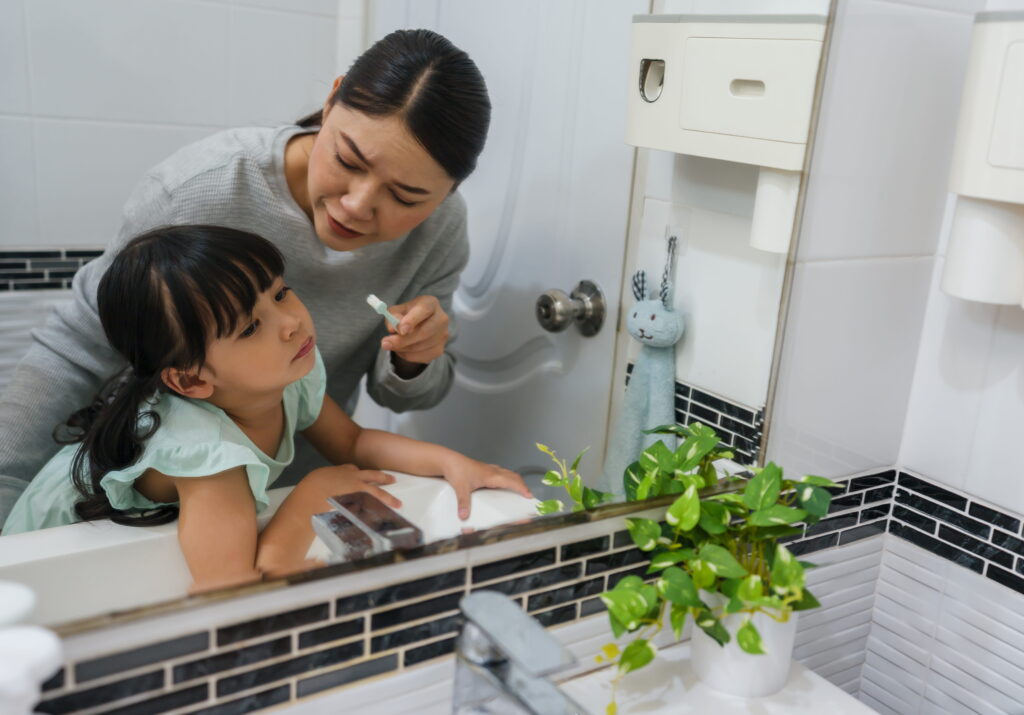
Picture the scene. The pajamas are finally on, the storybook is waiting, and then you say the two words that break the peace: “Brush time.” Suddenly your sweet child transforms into a tiny negotiator who would rather wrestle a crocodile than let a toothbrush near their molars. If this sounds like your house every single night, take a breath. You are not failing, and your child is not broken. You are simply caught in a very common standoff, and standoffs have solutions.
The Fast Fix for Tonight’s Toothbrush Standoff
When your child refuses to brush before bed, your fastest win is to stop pushing and start playing. Drop the lecture, offer a small choice, turn on a two-minute song, and brush right alongside them. Children resist pressure but follow fun, so the goal tonight is to make the toothbrush feel like the easiest part of bedtime rather than the hardest.
The quick-start approach that works tonight
Keep it short and light. Hand your child two toothbrushes and let them pick. Say, “Do you want to brush the top teeth or the bottom teeth first?” Play a favorite song and promise that when the music ends, brushing ends. The American Dental Association suggests playful tactics like music and games to make brushing something kids look forward to instead of dread. The trick is consistency. One fun night is a fluke, but seven fun nights in a row become a habit.
Why bedtime brushing matters more than any other time
Of all the moments to protect, nighttime brushing is the big one. While your child sleeps, saliva slows down, and saliva is the mouth’s natural rinse. With less of it washing teeth clean, any leftover sugar and plaque get hours of uninterrupted time to do damage. Brushing in the morning is helpful, but brushing before bed is the shield that guards those small teeth through the long, quiet night.
Why Kids Dig In Their Heels
Kids resist bedtime brushing mostly because they are tired, they want control, or the whole experience feels uncomfortable in their mouth. Understanding the real reason behind the refusal changes everything, because a tired child needs a different response than a child who hates the minty burn of toothpaste.
Tiredness, control, and the power struggle
By bedtime, your child has spent all day being told what to wear, eat, and do. Brushing is one of the last requests of the day, and sometimes a flat “no” is simply their way of grabbing back a little control. Researchers who interviewed parents found that toothbrushing often becomes a daily power struggle, with families describing it as one of the most stressful parts of the bedtime routine. You can read how parents describe these toothbrushing battles and see that you are far from alone.
Sensory discomfort and texture aversions
For some children, the fight is not about control at all. The foam feels strange, the flavor is too strong, or the bristles tickle in a way they cannot explain. A child who gags or pulls away may be telling you the sensation genuinely bothers them. Switching to a softer brush, a milder flavor, or a smaller brush head can quietly end a battle you thought was about stubbornness.
What happens behind the scenes at home
Studies looking at what shapes brushing habits found that a calm, predictable routine matters more than any clever gadget. When brushing happens at the same time, in the same order, every night, children stop testing the boundary because they already know what comes next. You can see how everyday family habits influence young children’s brushing, and the headline is simple: routine beats willpower.
What Is Really at Stake When Brushing Gets Skipped
Skipping nighttime brushing lets plaque sit on teeth for hours, and that is exactly how cavities get their start in small mouths. Baby teeth may be temporary, but the damage and discomfort they bring are very real, and so are the dental visits that follow.
How overnight plaque leads to cavities
Plaque is a sticky film packed with bacteria that feed on leftover sugars and release acid. That acid slowly wears down tooth enamel. During the day, saliva and brushing keep plaque in check, but at night an unbrushed mouth becomes an all-you-can-eat buffet for those bacteria. Over time, the softened enamel gives way and a cavity forms. To understand the full picture, our guide to understanding cavities: causes, prevention, and treatment breaks it down in plain language.
Baby teeth matter more than people think
It is tempting to think baby teeth do not count because they fall out anyway. They count a great deal. They hold space for adult teeth, help your child chew and speak, and shape that early smile. Decay in baby teeth can be painful and can even affect the health of the adult teeth waiting underneath. Good habits now protect the whole mouth for years to come, and a few dental treatments that help prevent cavities can add extra protection.
When tooth pain turns into an emergency
Untreated decay can grow into real pain, swelling, or infection, and that moves a child from the brushing chair to the emergency chair. If your child ever wakes with a throbbing tooth, a swollen cheek, or a fever paired with mouth pain, do not wait. Our overview of what to do in an emergency dental situation walks you through the next steps calmly.
Turning the Nightly Battle Into a Habit They Own
The best way to end brushing battles is to hand your child a sense of ownership through play, choices, and shared routine. When brushing stops feeling like a command and starts feeling like their idea, the resistance quietly fades.
Make it fun with games, songs, and timers
Turn two minutes into a tiny adventure. Hunt for “sugar bugs” hiding on the back teeth, race the toothbrush against a two-minute song, or let your child brush a favorite stuffed animal’s “teeth” first. A sand timer or a brushing app that counts down gives kids a clear finish line, which matters because little ones struggle with the idea of “a long time.”
| A note from Dr. Bhawna Gupta DDS at Sunnyvale Dental Care “In my chair, the children who brush best at home are almost never the ones who were nagged into it. They are the ones whose parents made it a shared, playful ritual. Children copy what they see, so when they watch you brush with a smile, they want to join in.” |
Give your child small, safe choices
Choices are powerful because they satisfy a child’s need for control without giving up the result you need. Let them pick the toothbrush color, choose which song to play, or decide whether they brush first or you do. The choice is never “whether” to brush. It is only “how.” That subtle shift removes the thing most kids are actually fighting about.
Brush together as a family
Children are world-class copycats. When they see a parent or older sibling brushing happily, brushing becomes a normal, grown-up thing to do rather than a chore pushed on them. Line up at the sink together, make silly faces in the mirror, and let your child feel like part of the club.
Use rewards and charts the right way
A sticker chart can work wonders when it rewards the routine, not perfection. Hang a chart on the bathroom wall and let your child add a sticker after each successful brush. Celebrate the streak with praise and a small non-food treat, like extra story time. Keep the focus on effort and consistency so the habit sticks long after the chart comes down.
| Use these 1. A soft-bristled brush sized for small mouths 2. A mild, child-friendly toothpaste flavor 3. A two-minute song or sand timer 4. Small choices like brush color and order 5. Calm praise and a simple sticker chart | Avoid these 1. Threats, bribes, or bedtime lectures 2. Strong flavors that cause a gag reflex 3. Rushing through in ten seconds 4. Skipping brushing because everyone is tired 5. Making brushing the final punishment of the day |
A Simple Bedtime Brushing Routine That Sticks
A reliable routine uses the right amount of toothpaste for your child’s age, gentle technique, and a slow introduction to flossing. Keep the same order every night so the routine runs on autopilot.
1. Measure the toothpaste by age
For children under three, use a smear about the size of a grain of rice. From three to six years, move up to a pea-sized amount. These amounts give cavity protection while keeping swallowed toothpaste to a minimum, in line with guidance from trusted child dental care advice.
2. Brush gently in small circles
Tilt the brush slightly toward the gumline and use soft, circular strokes on the outside, inside, and chewing surfaces. Small mouths need a light touch, so there is no need to scrub hard.
3. Reach the whole mouth
Count the teeth or sing a verse per section so no corner gets skipped. The back molars collect the most food, so give them a little extra attention.
4. Start flossing one tooth at a time
You do not need to floss every tooth at once. Begin with a single contact point and build from there, a friendly approach the ADA describes as flossing just one tooth to make the habit feel manageable.
The right technique for little teeth
Most young children do not have the hand control to brush well on their own until around age six or seven. Let them have a turn to build independence, then take a calm “grown-up turn” to finish the job properly. This two-turn system respects their desire to do it themselves while making sure the teeth actually get clean.
When the Usual Tricks Stop Working
When a child clamps their mouth shut, gags, or melts down, the fix is to lower the pressure and change one small thing at a time. Fighting harder rarely works, but a creative detour usually does.
The toddler who clamps shut
If your toddler seals their lips like a vault, do not force it. Try brushing their favorite toy’s teeth first, or let them brush your teeth while you brush theirs. Some parents find success laying a young child across their lap so they can see inside the mouth gently. Keep your voice light and treat it as a game, not a fight.
The child who gags or hates the taste
Gagging and taste complaints are real sensory signals, not stubbornness. Switch to a milder flavor or a non-mint option, use less toothpaste, and try a brush with a smaller head. Brushing for shorter bursts with breaks in between can also help a sensitive child feel in control of their own mouth.
Handling meltdowns without giving up
When tears start, stay calm and keep the routine, even if it is shorter than usual. A quick, gentle brush done during a meltdown still beats no brush at all. Avoid turning it into a long battle at the end of a tired day. Acknowledge the feeling, finish quickly, and move straight to the comforting part of bedtime. Research on strategies for children’s oral health points back to the same theme: calm, steady routines win over time.
When to Bring Your Child to a Dentist in Sunnyvale
Bring your child in if you notice white or brown spots on the teeth, if brushing causes pain, or if nightly battles never ease no matter what you try. A friendly visit can catch small problems early and give you tactics tailored to your child.
Signs of decay parents often miss
Early decay is sneaky. Look for chalky white lines near the gumline, brown or dark spots, bad breath that does not go away, or a child who suddenly avoids cold or sweet foods. Catching these early often means a simpler, gentler fix.
How a welcoming visit changes everything
A calm, kid-focused visit turns the dentist into a friend rather than a fear. Our team offers care for toddlers and kids in a child-friendly clinic designed to make that first impression a happy one. A positive early experience often makes home brushing easier too, because children who trust the dentist tend to care more about their own teeth. For more guidance, browse more tips on the Sunnyvale dental blog.
Building habits that last a lifetime
The goal is bigger than tonight. Every calm, consistent brushing session teaches your child that caring for their smile is simply part of who they are. With a little creativity at home and a supportive team in your corner, the bedtime standoff becomes a bedtime routine, and that routine becomes a gift that protects their smile for decades.
Ready to take the next step?
Schedule a consultation with Sunnyvale Dental Care.
Call (408) 720-0900
Meet Dr. Bhawna Gupta, DDS, a top Invisalign Sapphire Provider
Dr. Bhawna Gupta, DDS, is a dedicated dental professional committed to providing personalized, high-quality care in a welcoming and comfortable environment. As the only general dentist (GP) Invisalign Sapphire Provider in the Bay Area, she brings advanced experience in clear aligner therapy and is passionate about helping patients achieve healthier, more confident smiles through carefully planned treatment.
With a strong focus on patient-centered dentistry, Dr. Gupta takes the time to understand each patient’s individual needs, concerns, and long-term oral health goals. Her approach emphasizes clear communication, thoughtful treatment planning, and compassionate care, helping patients feel informed and comfortable throughout every stage of their dental experience.
Dr. Gupta has a particular interest in Invisalign treatment and implant dentistry and continually expands her clinical knowledge by staying current with advancements in dental technology, techniques, and evidence-based care. Her commitment to continuing education allows her to provide modern treatment options designed to improve both oral health and overall patient experience.
She further advanced her training by completing a Fellowship in Implantology at Loma Linda University, strengthening her expertise in implant-based restorative care. After gaining valuable leadership and clinical experience as a Managing Dentist, Dr. Gupta founded Sunnyvale Dental Care to create a practice centered on quality, comfort, trust, and individualized attention.
Today, Dr. Gupta continues to lead Sunnyvale Dental Care with a commitment to clinical excellence and compassionate dentistry. Her goal is to build lasting relationships with patients while providing comprehensive preventive, restorative, cosmetic, Invisalign, and implant care tailored to each individual.
Frequently asked questions
| Q: At what age should my child start brushing their teeth? Start cleaning your baby’s mouth as soon as the first tooth appears, usually around six months. Use a soft brush and a tiny smear of fluoride toothpaste the size of a grain of rice. Building the habit this early helps brushing feel normal long before the bedtime battles ever begin. |
| Q: How much toothpaste should a young child use? For children under three, use a smear about the size of a grain of rice. From three to six years, move up to a pea-sized amount. These small amounts protect against cavities while keeping the toothpaste your child might swallow to a minimum. |
| Q: What should I do if my toddler refuses to open their mouth to brush? Do not force it, because force usually makes the standoff worse. Turn it into play by brushing a favorite toy’s teeth first, letting your toddler brush your teeth, or singing a song. Keeping your voice light and the mood playful often opens that little mouth faster than any demand. |
| Q: Is it okay to skip brushing one night if my child is too tired? It is best not to skip, because nighttime is when plaque does the most damage while saliva slows down during sleep. On exhausting nights, do a quick, gentle brush rather than none at all. A short brush still protects the teeth far better than skipping entirely. |
| Q: How can I make brushing before bed less of a battle? Give your child small choices, play a two-minute song, and brush together as a family so it feels shared rather than forced. A sticker chart that rewards the routine also helps. Consistency is the real secret, since a predictable nightly order removes the thing most kids are fighting about. |
| Q: When should I take my child to the dentist about brushing problems? See a Sunnyvale dentist if you notice white or brown spots on the teeth, if brushing causes pain, or if the nightly battles never ease despite your best efforts. The first dental visit is recommended by age one, and a friendly checkup can catch small problems early and give you tailored tips. |
For directions, use this helpful Google Maps link or get step-by-step navigation via Get Directions.
Remember: Nighttime brushing is the single most important brush of the day, so keep it calm, playful, and consistent even on tired nights.
Disclaimer: This article is for general information only and is not a substitute for personalized advice from your dentist. Please consult a qualified dental professional for your child’s specific needs.